Our mission is to promote Human Rights through timely and effective assistance to individuals victimized by various crises of both human and natural origin in a fragile context.
Victim's Hope DRC is autonomous from any political, economic or religious authority. It bases its decisions solely on the realities of populations in need.
Victim's Hope DRC is responsible for its actions and their consequences. It is committed to being transparent towards the communities it serves, donors and the public, by accounting for the use of resources and the impact of its work.
Aid is provided on the sole basis of needs, without discrimination of nationality, gender, religion, political opinion or any other consideration. Priority is given to the most vulnerable.
Victim's Hope DRC recognizes that the communities it assists are the primary actors in their own survival. It works in partnership with them, without imposing solutions, and by respecting their knowledge and dignity.
Victim's Hope DRC is guided by sincere empathy for human suffering. Every action is motivated by the desire to alleviate pain and provide compassionate support.
Victim's Hope DRC acts with honesty and rigor. It honors its commitments, respects the truth and refuses any form of corruption or fraud, both internally and externally.
Teamwork is at the heart of action. Victim's Hope DRC values knowledge sharing, synergy and partnership with other actors to maximize impact and avoid duplication of efforts.
Victim's Hope DRC and its members demonstrate moral and physical courage. They act resolutely in the face of adversity, threats and challenges, remaining true to their principles and values.
Victim's Hope DRC plays a significant role in assisting victims of atrocities, offering them the first smile after a difficult moment. The organization contributes not only to their community reintegration but also to their resilience.
In the context of Eastern DRC, which is not only plagued by insecurity characterized by repeated population movements but also theoretically rich yet practically poor, during the crisis, the population abandons everything and finds itself in very difficult situations in host areas.

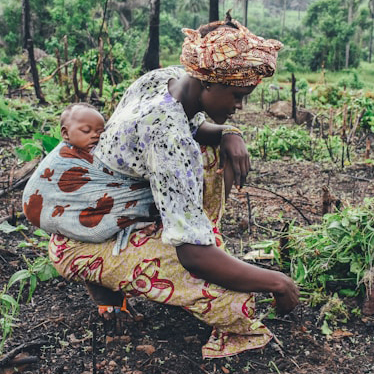
Supporting farmers and livestock keepers while intervening in environmental protection and resilience.
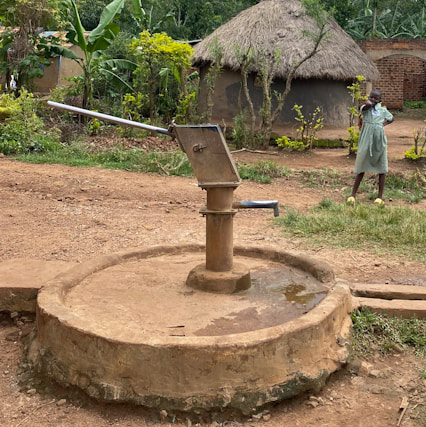
Providing access to clean water, hygiene and sanitation, and communication for mindset change.
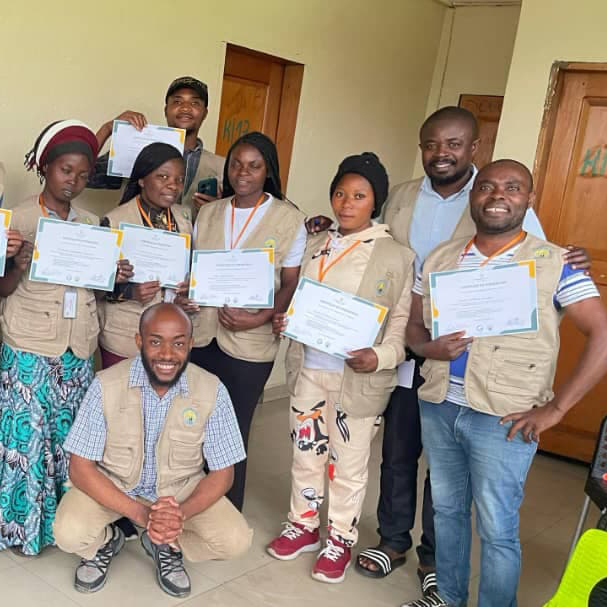
Entrepreneurship, support for victims of sexual violence, and the creation of income-generating activities.

Promoting access to formal education and training in practical life skills.